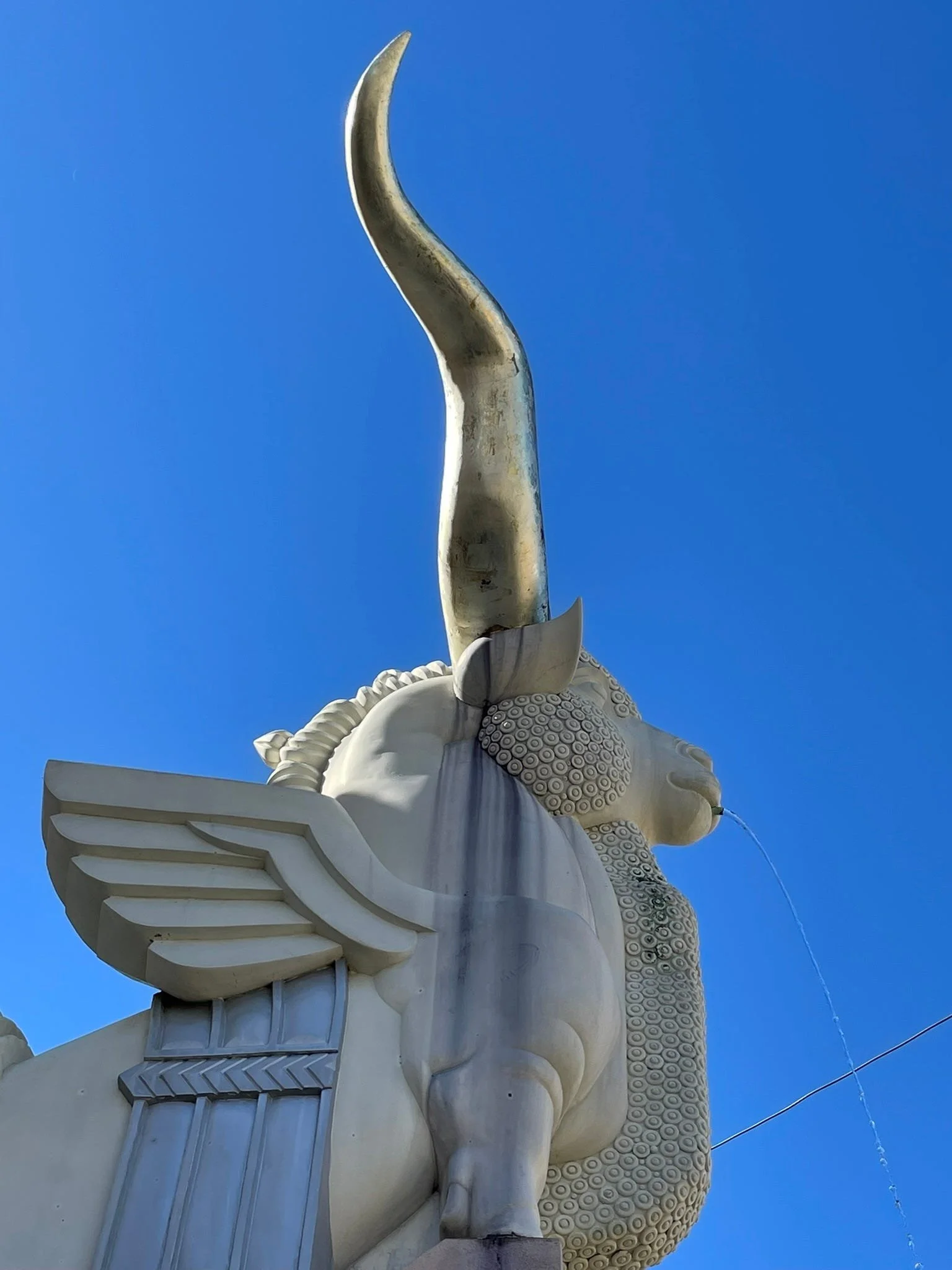
The bizarre and strangely endearing Woofus, a mythical beast that lives in Fair Park’s livestock district, apparently has an identity crisis.
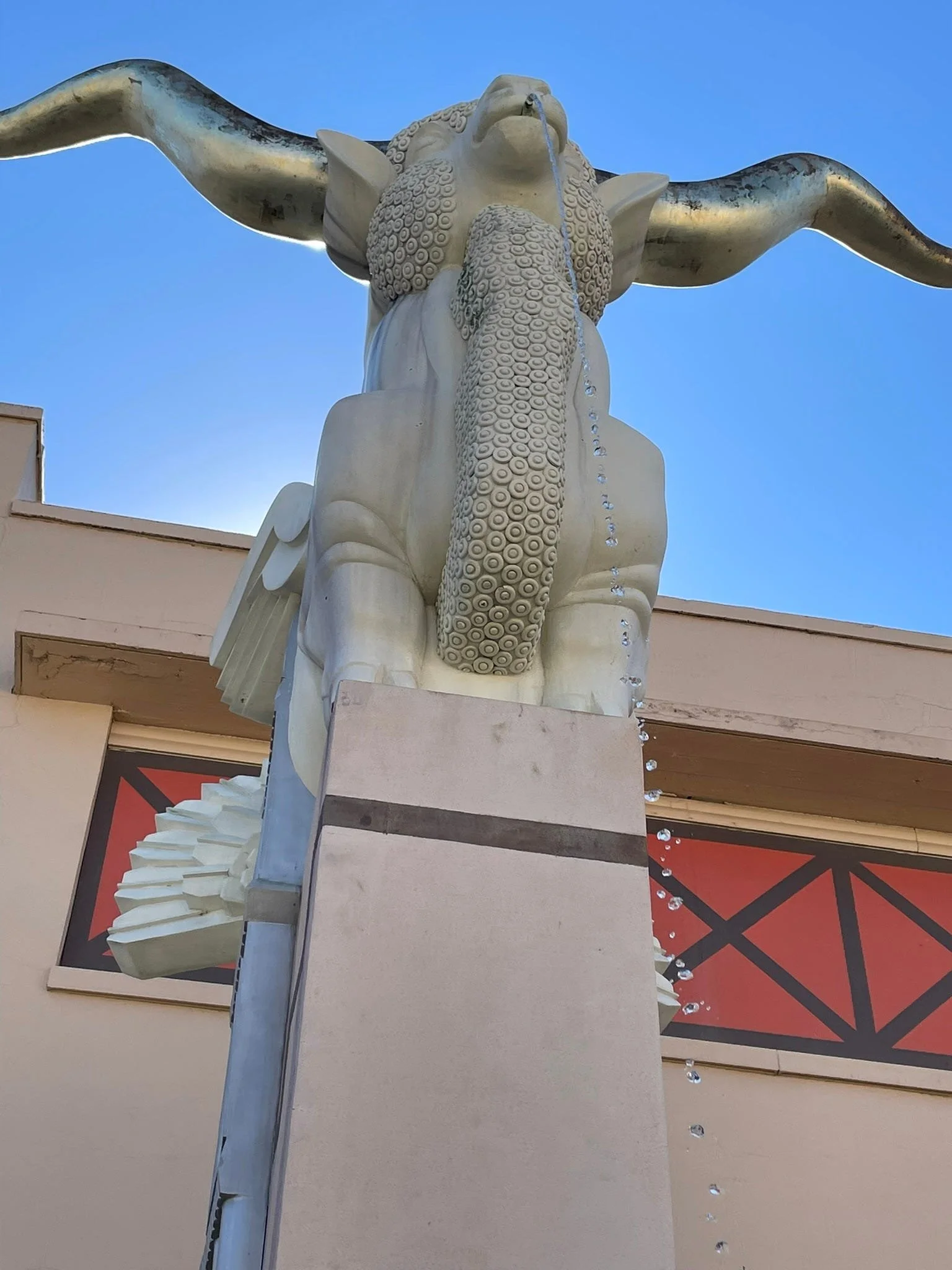
She’s an amalgamation of multiple livestock animals based on the art of Chimera sculpture of ancient Greek mythology. And since mythical creatures are inherently blank canvases, I declare the Woofus a shapeshifter and seer of the future.
I believe she symbolizes Fair Park because of those qualities. Fair Park is striving to become more of an everyday destination – not only one known for its prominent identity as a place of spectacle.
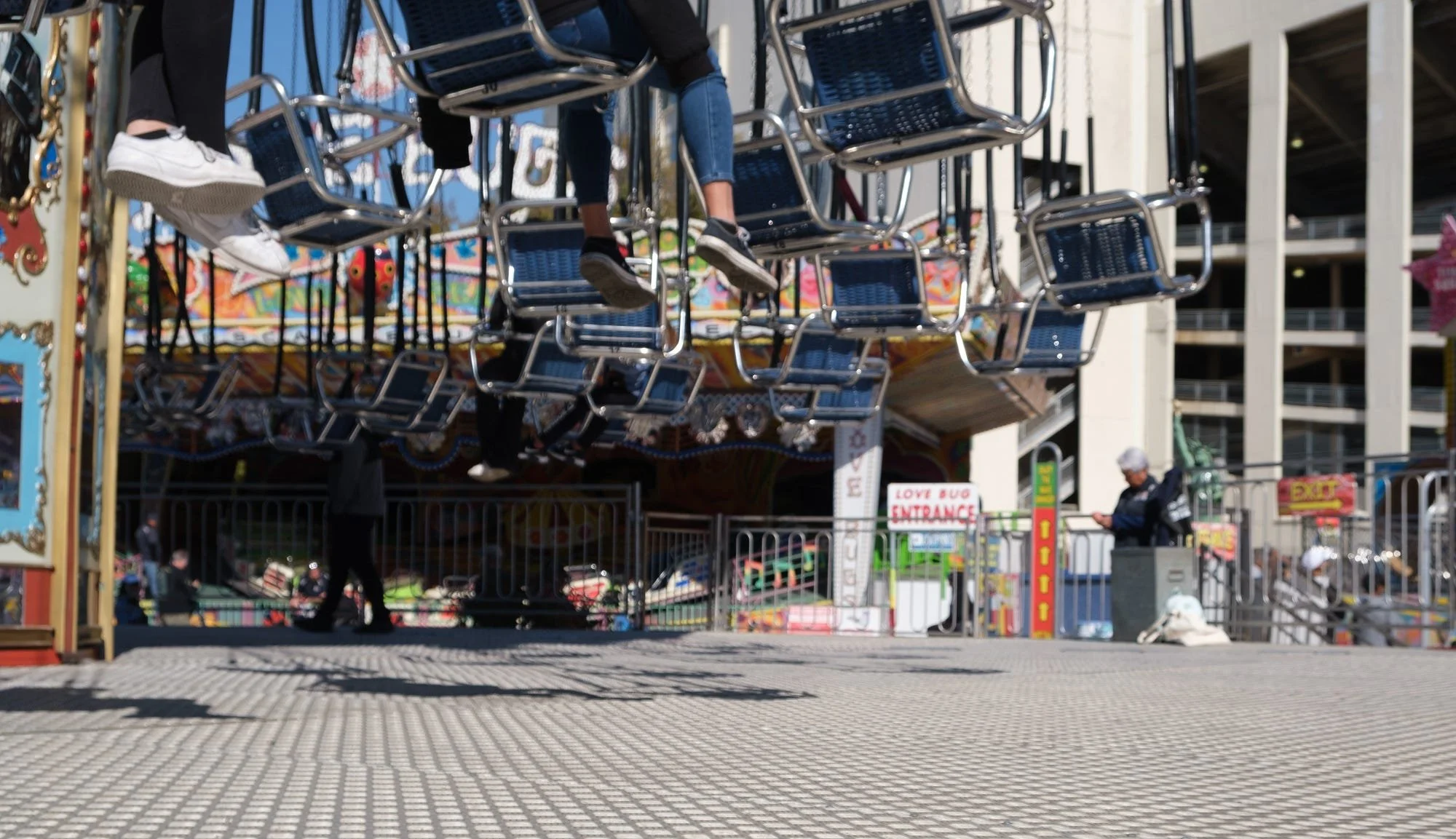
A recent trip to Fair Park’s grandest spectacle, the State Fair of Texas, drove home how transformed the park becomes during the fun, overwhelming and raucous 24-day party that is the State Fair.
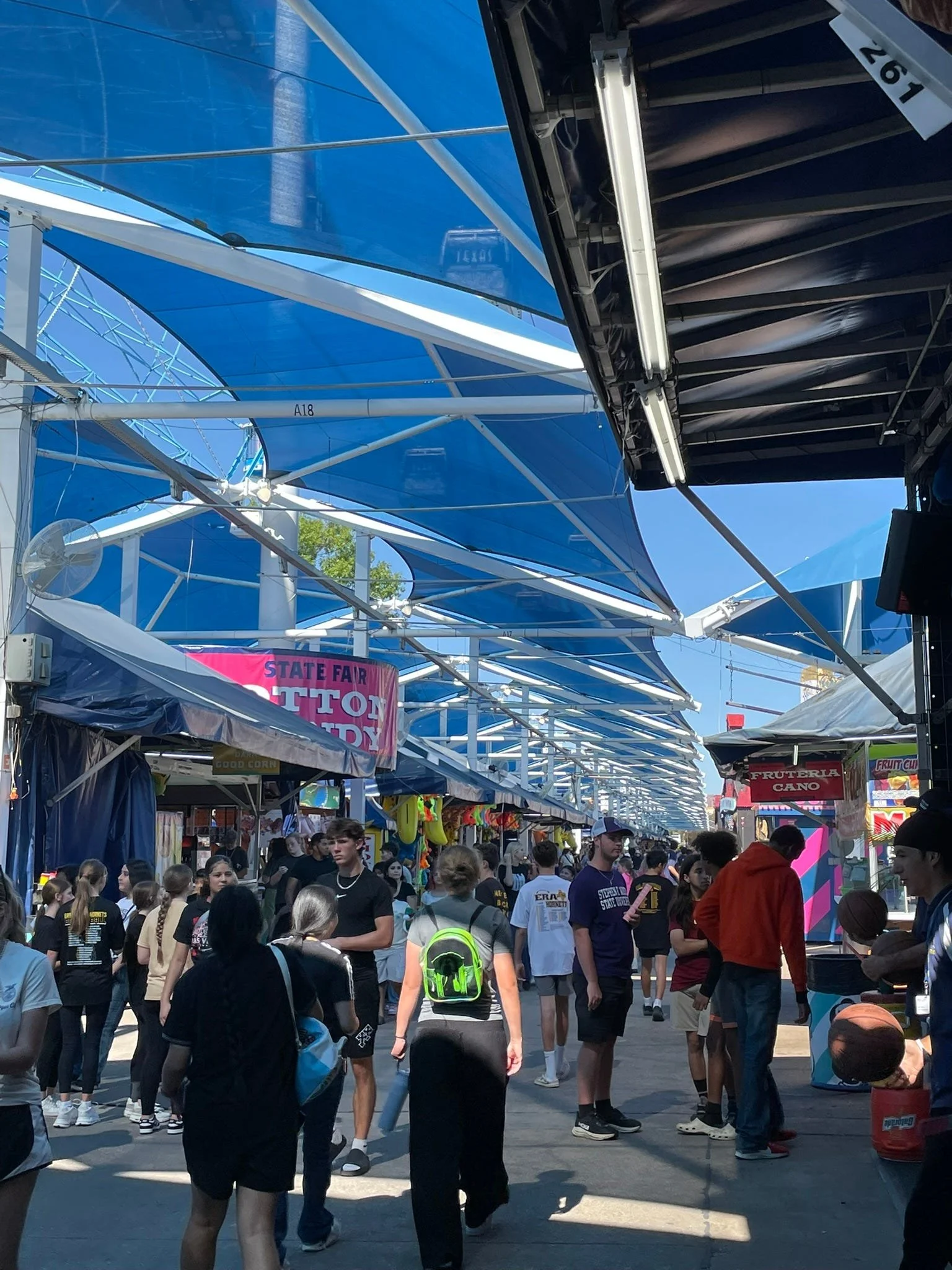
Fair Park is much calmer during the other 341 days a year and herein lies not only its fractured identity but also its aspiration to be more than a big-venue destination. Like the Woofus which is part turkey, part Texas long horn, part pig, part sheep, Fair Park is part big-event venue, part fairgrounds, part cultural district, part outdoor art museum and part park.
Brett Wulke, Fair Parks’ general manager drove this home when discussing how Fair Park will move forward. “Having people and activities everyday is what will make Fair Park thrive,” he said. “Event revenue alone will not sustain Fair Park.”
Fair Park is rooted in being a fairgrounds. When the Dallas State Fair and Exposition was chartered in 1886, it included livestock barns, a horse-racing track and exhibition buildings. It had to give up the racetrack after 1902 when the state banned track gambling, but it continued on with its staging of the annual fair which grew to include the Coliseum (now the Women’s Building) and a football stadium.
That is what Fair Park was and, in large part, still is.
Fair Park and the State Fair of Texas are inextricably linked. One cannot be imagined without the other.
But in 1936 when the Texas Centennial Exposition arrived one could imagine that Fair Park might be more than just the fairgrounds it was then. The Centennial was the granddaddy of all spectacles. Like the World’s Fairs of that era, the Expo was open for 6 months and contained scores of exhibit venues from U.S. industrial giants like the Ford Motor Company and National Cash Register Co. to Texas-based oil businesses like the Magnolia Petroleum Company. Entertainment, agricultural and cultural venues abounded. It attracted more than 6.5 million people, and drew celebrities, politicians, and even U.S. President Franklin D. Roosevelt.
But it also brought something else that made it more than a place for one-off big events. It planted a cultural district with art and science museums (Dallas Museum of Fine Arts, the Aquarium, Dallas Museum of Natural History), small entertainment venues like the Band Shell, and a park surrounding a man-made lagoon.
Over time arts and cultural institutions have come and gone. The art and the nature and science museums moved downtown. Today, institutions such as the African American Museum, the Hall of State, Broadway Dallas, Texas Discovery Gardens, and the Children’s Aquarium continue to attract visitors. Yet these destinations alone cannot generate the sustained activity and revenue needed for a park facing more than $40 million in deferred and critical maintenance.
Fair Park’s legacy of more than 150 years as a fairground (coupled with other uses starting in 1936) can foster a single-track mindset that’s tough to shake. Maybe it’s time to fully embrace the Woofus ethos that celebrates the diversity of Fair Park’s uses. Here are a few missing elements that, if implemented, might successfully bring more people to the park on a daily basis and encourage them to stay a while.
Interconnection among the education, entertainment and recreation venues coupled with places to eat and gather
Better vistas to the interior and more attractive entrances into the park
More green spaces and places for community
Sustainable revenue sources
The 277-acre campus has pockets of interconnectedness – most notably through the pastoral Leonhardt Lagoon which is the outdoor anchor in the heart of smaller venues like the Children’s Aquarium and Texas Discovery Gardens.
One of the greatest criticisms of Fair Park is its “fenced in” nature. Few venues can be seen from the streets and in many parts, perimeter parking lots are the first thing seen upon entering the campus. There are efforts to extend The Santa Fe Trail with a loop around Fair Park and bring in pedestrians and bikers into the park. Dallas’ ambitious trail system shouldn’t leave out a way around Fair Park.
More green spaces and actual park land along the perimeter can help address the “drive up appeal” issues referenced above. But, more importantly, green spaces with park-like amenities can bring the surrounding neighborhood into the park. That is already underway with the 10.5 acre Community Park scheduled to open in 2028. Other efforts are underway to realize smaller green spaces imagined in the 2020 Fair Park Master Plan.
None of this happens without consistent and sustainable sources of money. The patchwork of funds from Fair Park-generated revenue, bond initiatives, and city, state and federal dollars don’t lay the kind of foundation needed to realize her full potential and keep her going.
As a remedy for the fractured funding, the Park Department is proposing a lodging, dining and retail district that would allow commercial development on about 40 acres in the Northeast quadrant of Fair Park. The idea, say the Park department officials, is to create a sustainable revenue stream that will pay for the park’s day-to-day operational needs. Seems like a concept worth considering. Details are thin, but we are following these efforts.